
Start Smart in Just Five Minutes
Children grow in joyful bursts, and skills flourish in short, playful moments. Today we dive into five-minute activities to boost early literacy and numeracy, turning tiny pockets of time into bright sparks of progress. Whether you are a parent, caregiver, or teacher, you will find fast, low-prep ideas that fit busy routines, build confidence, and invite curiosity. Try one during breakfast, pickup lines, or bedtime, then share your favorite variations, subscribe for fresh ideas, and help more children discover how small steps create surprisingly big gains.
Sound Snap
Pick any object nearby—mug, sock, apple—and invite a quick snap for the first sound. Model slowly, exaggerating the mouth movement, then switch roles. Add playful variations: whisper the sound, robot voice, echo clap. Capture curiosity by surprising children with silly choices, boosting memory through novelty. End with a victory cheer, making the routine feel important yet wonderfully short and repeatable throughout the day.
Rhyme Time Relay
Call a word—cat—and pass an imaginary baton as children toss back rhymes: hat, mat, bat. Keep the rhythm brisk; if someone pauses, supply a friendly prompt and celebrate the comeback. Slip this game into transitions like shoe-tying or hallway walks. Rhyming nurtures sound awareness, strengthens listening stamina, and invites humor. Encourage invented nonsense rhymes too; the goal is playful sound play, not perfection.
Syllable Stomp
Invite children to stomp, clap, or tap the beats in names, snacks, and places: Le-o, pan-cake, play-ground. Visualize each beat by placing blocks or spoons in a row, then sweep them back to reset. Mixing movement with sound boosts attention and memory. Celebrate tricky words with a dramatic whisper-stomp finale. Over time, children start anticipating the beats, a joyful step toward decoding and spelling.
Sky Writing Bursts
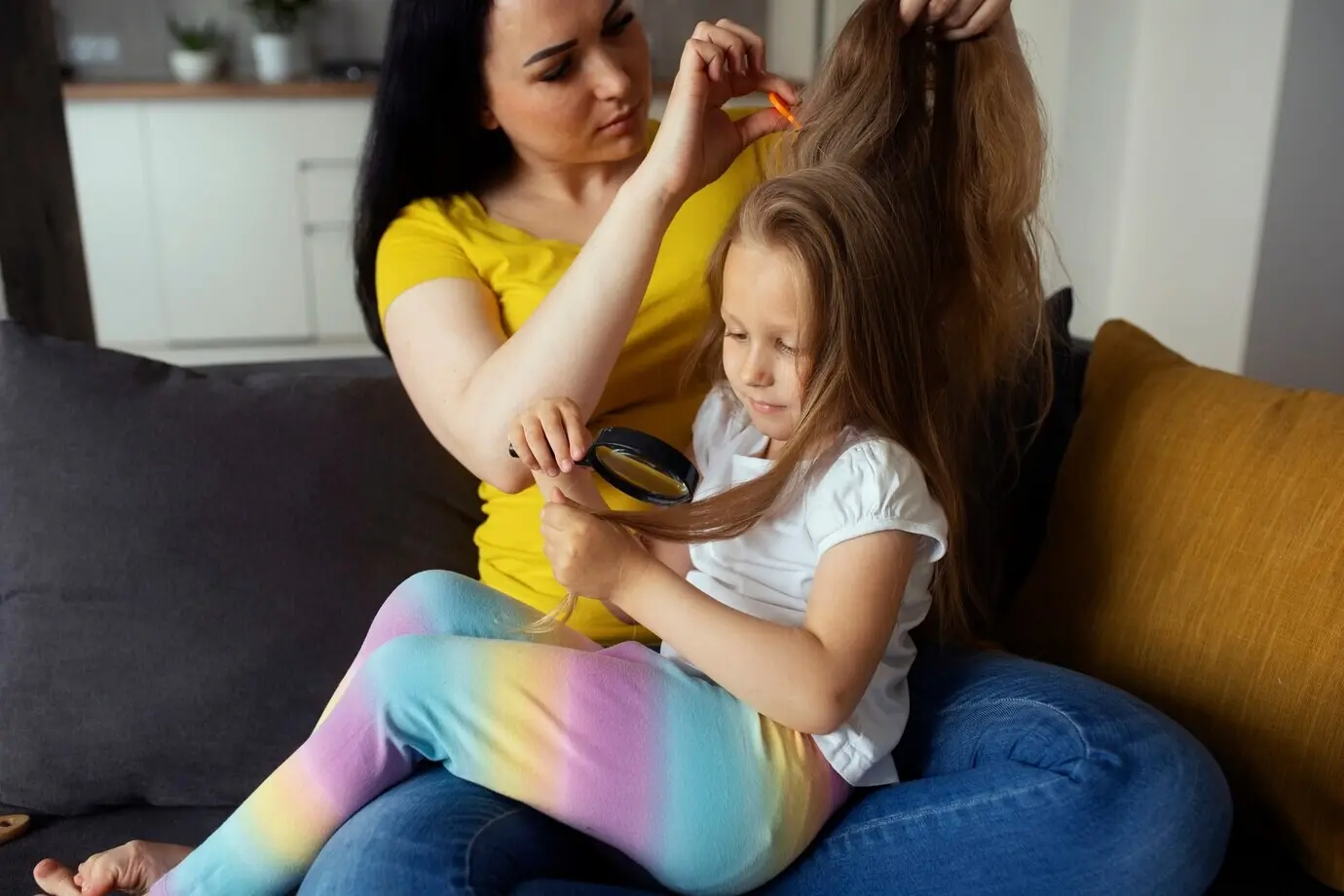
Invite children to write a letter in the air using huge shoulder movements, then medium elbow motions, then tiny finger flicks. Say the letter name and sound with each pass. This escalator of movement anchors memory, supports coordination, and feels theatrical. Add music, count backwards from five, or switch hands to challenge motor planning. Snap a quick photo pose celebrating the final tiny version, reinforcing pride and playful repetition.
Letter-Shape Detective
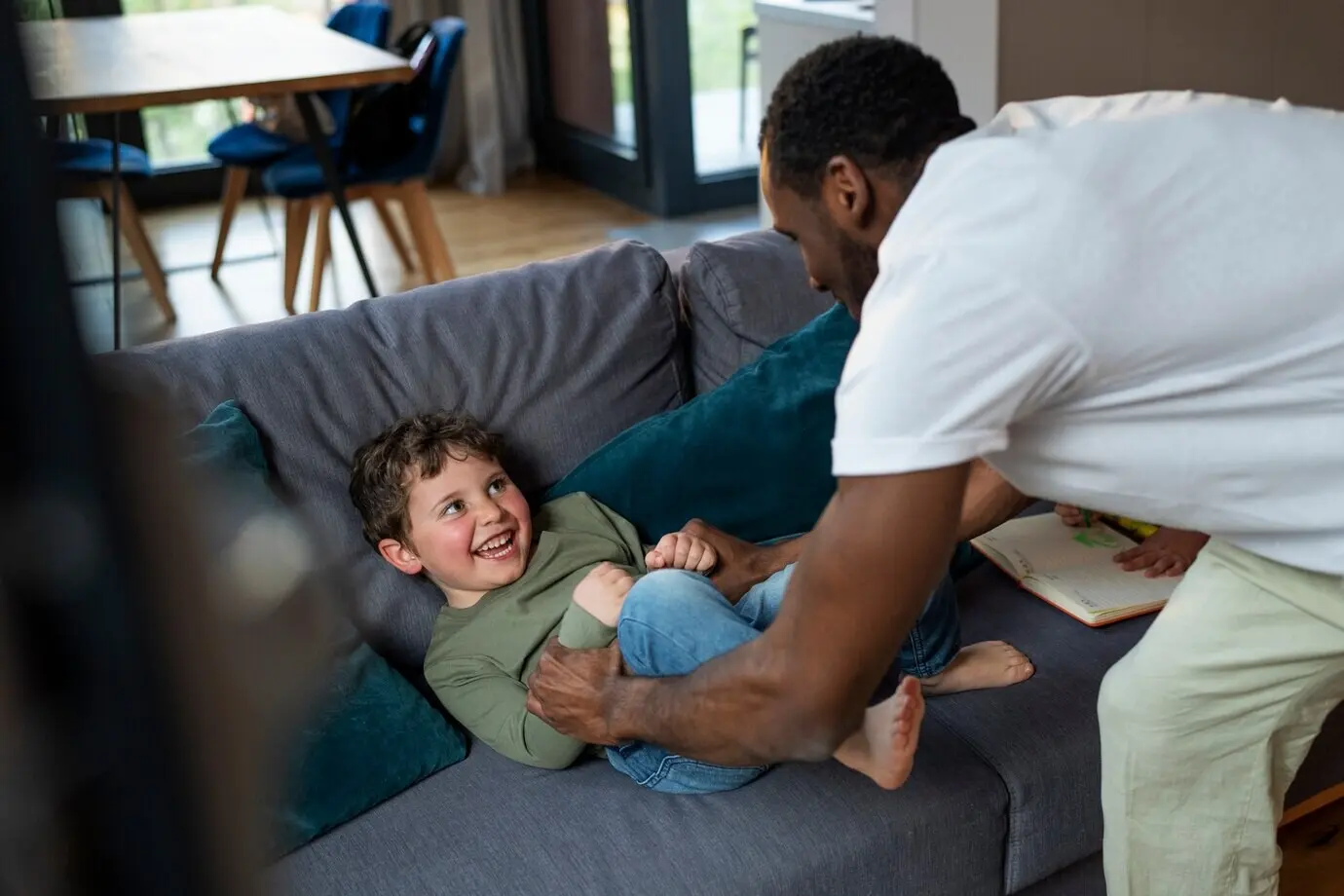
Hand a magnifying glass or make a circle with fingers and hunt for letter shapes everywhere: curved door handles, straight table legs, triangular pizza slices suggesting A. Snap quick notes in a small notebook, sketching discoveries. This habit transforms ordinary spaces into literacy laboratories, fostering visual discrimination and curiosity. Invite children to explain their finds, strengthening vocabulary and reasoning while keeping the whole exploration delightfully brief and accessible anywhere.
Name Magic
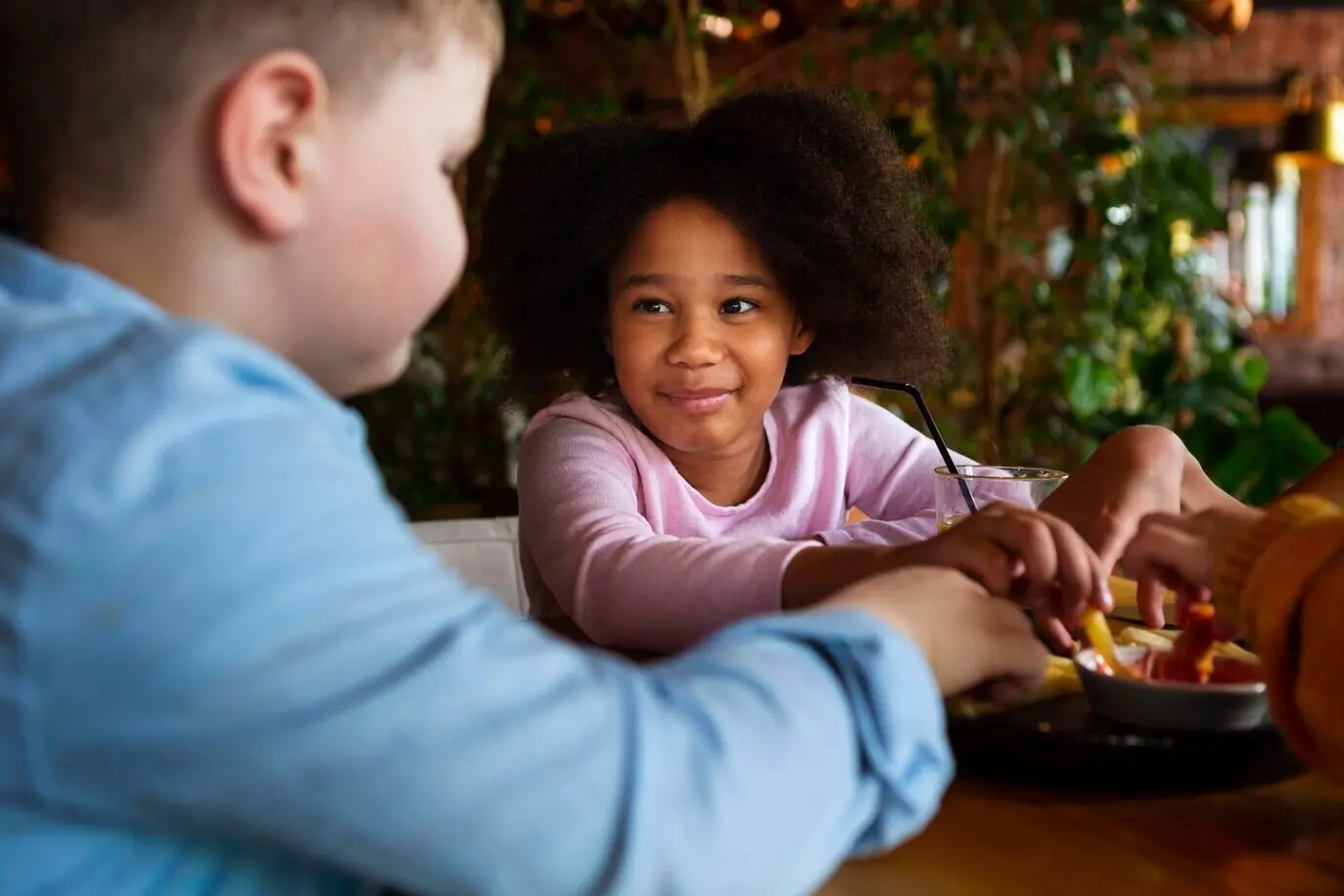
Write a child’s name big and bold, tracing each letter while chanting its sound. Swap tools to keep novelty high: chalk, crayon, dry-erase, fingertip on fogged mirror. Invite the child to decorate only one target letter, directing attention without overwhelm. End with a ceremonious name roll call, adding a drumroll and applause. Over days, children feel ownership and recognize letters more quickly because those letters matter personally.
Print Everywhere
Environmental print surrounds children with meaningful symbols and words that make reading feel useful and friendly. Quick scavenger hunts, playful labeling, and tiny reading rituals build recognition without heavy instruction. A dad shared how a two-minute cereal-box reading race turned into nightly requests to “read the room.” Keep difficulty flexible—logos today, short words tomorrow—so success stays constant. Celebrate discoveries, and let children teach you what they notice first.
Dot Flash Subitize
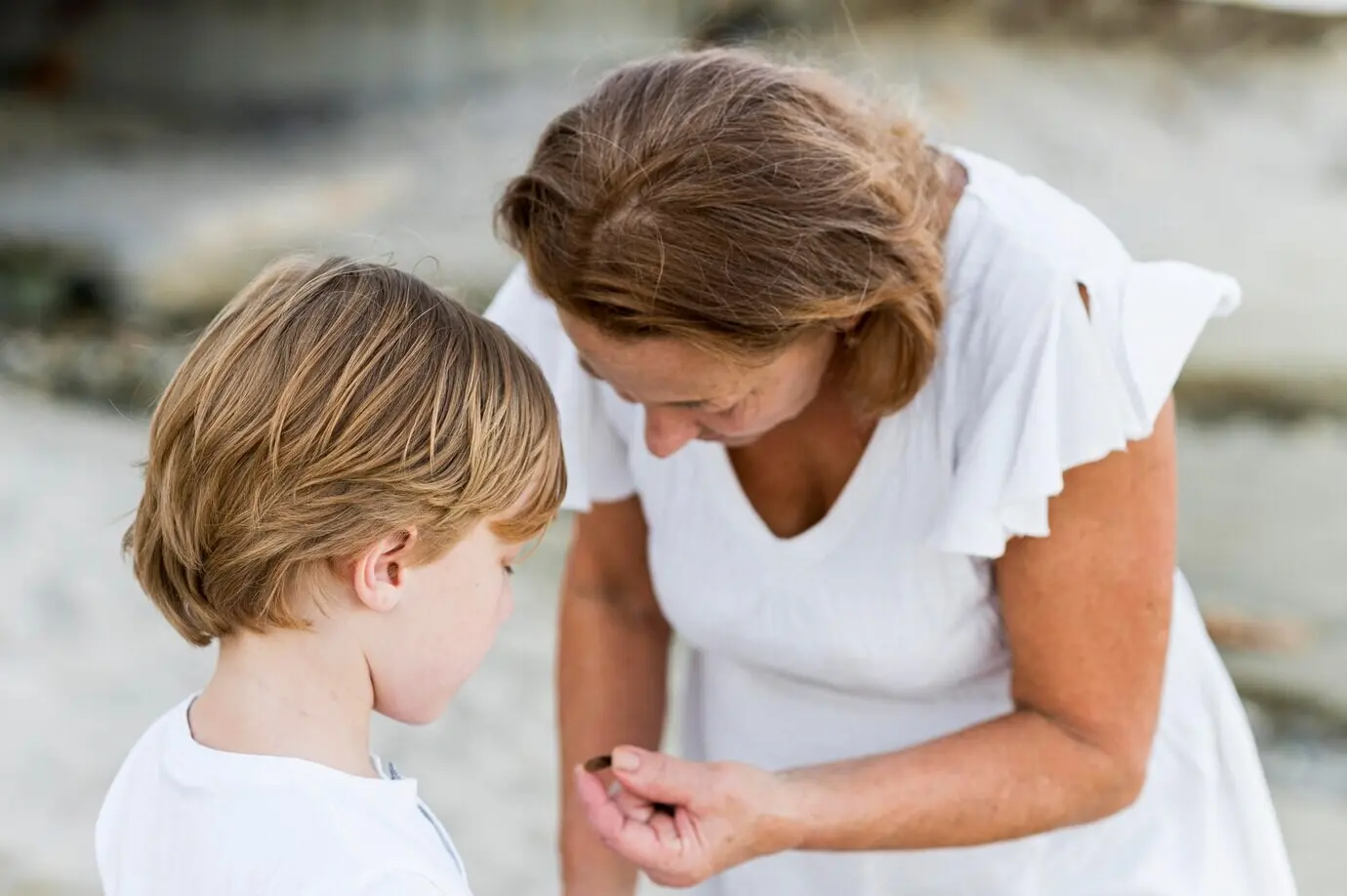
Show a small group of dots for one second, then hide them and ask, “How many did you see?” Encourage children to explain strategies: “I saw three and two, so five.” Use buttons on a lid or sticky notes for spontaneity. Keep amounts small, vary shapes, and repeat rapidly. This develops instant recognition, supports mental grouping, and builds flexible thinking essential for addition and multiplication later on.
Count Around the Room
Choose an object type—windows, shoes, stickers—and count quickly together. Switch voices each number: whisper, robot, opera. Ask, “What comes next?” to stretch patterns. End by asking whether the total is more or less than yesterday’s count of a different item, inviting comparison language. This keeps counting purposeful, embeds vocabulary like “fewer” and “greater,” and makes numbers naturally present in everyday surroundings without setting aside special materials.
Quick Compare with Cards
Flip two number cards at once and ask, “Which is greater?” Add a clap for the winner and a snap for the smaller. Tie-break with a fast addition: “What is the difference?” Keep numbers within comfort zones, ensuring brisk success. Turn mistakes into strategy talk: “How did you decide?” This micro-game strengthens magnitude sense, comparison vocabulary, and mental math agility, all within a minute or two of energetic play.
Move, Count, Laugh
Kinesthetic micro-activities link body and brain, fueling attention while reinforcing literacy and numeracy. Five minutes of movement between transitions can reset focus and improve recall. Families report smoother evenings after a quick active game before homework. Blend counting, shapes, and sound play with jumping, stepping, and stretching. Keep safety in mind, use tiny spaces creatively, and finish with a calming breath so children return ready for whatever comes next.
Stories and Math Talk
Language-rich conversations and imaginative prompts transform minutes into meaningful practice. Short storytelling seeds boost vocabulary, sequence understanding, and curiosity, while math talk normalizes reasoning aloud. A caregiver told us a two-minute “number riddle” before bed became the night’s most requested ritual. Keep prompts open-ended, accept unexpected answers, and gently model clear sentences. Over time, children internalize question patterns, listening habits, and the confidence to explain their thinking proudly.
All Rights Reserved.