From Point A to Playtime: Making Every Ride Count

Today we’re embracing turning commutes into quality parent-child time, transforming minutes in traffic, train lines, or school-drop queues into connection. Expect simple rituals, playful learning, and calm conversation starters you can try immediately, even on chaotic mornings or late, sleepy evenings.

Start Strong: Small Rituals That Anchor the Ride

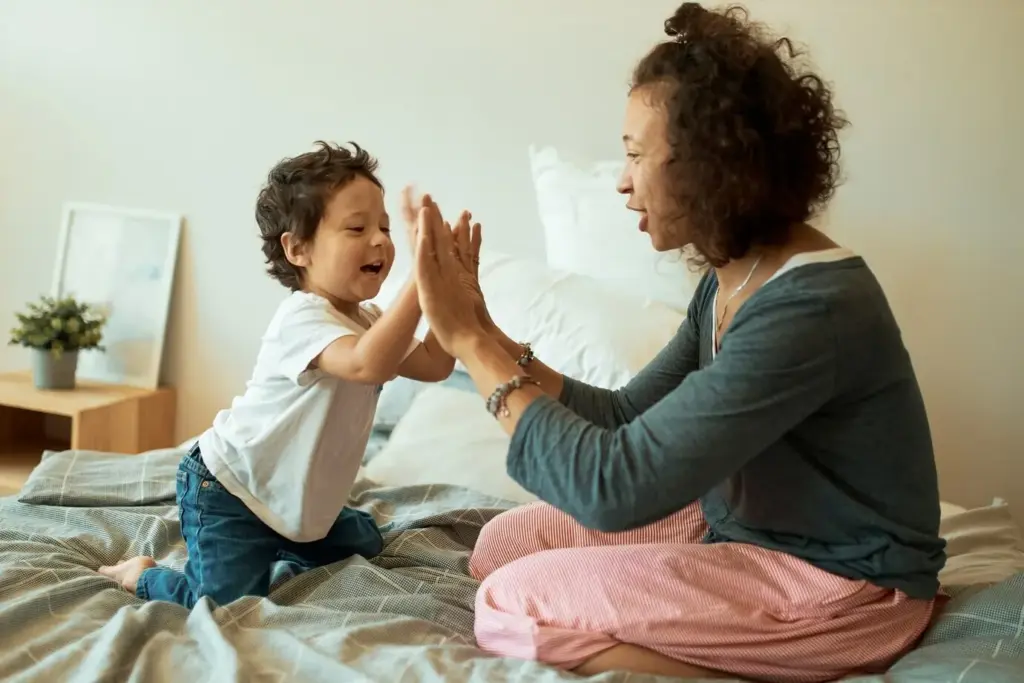
Small, repeatable cues turn a hectic departure into a reliable moment of togetherness. A shared countdown, a favorite greeting song, or a silly handshake signals, “We’re in this together now.” Neuroscience favors predictable transitions; kids feel safer, parents feel calmer, and rides begin with connection instead of correction.

Conversation Sparks for Every Age

Toddlers: Talk Through the World You See

Name buses, colors, and shapes, then narrate actions: “The blue bus stops. People hop off. We wait.” Parallel talk builds vocabulary fast. Keep tone playful, follow their pointing finger, and echo their attempts at words, letting them lead the rhythm of discovery.

School-Age: Stories, Sequencing, and Surprises

Invite a three-part story about recess, science, or a sibling exchange: beginning, middle, twist. Ask what they felt, not only what happened. Studies suggest narrative practice strengthens comprehension and empathy, and car doors frame natural beginnings and endings for daily storytelling rituals.

Tweens and Teens: Depth Without Pressure

Swap rapid-fire questions for open lanes: “What’s one thing you’re chewing on?” or “What did a friend do that impressed you?” Share your own small reflections. Side-by-side eye lines feel safer than face-to-face, freeing teens to voice nuance without interrogation vibes.

Learning on Wheels: Playful Brain Boosters

Learning slips easily into motion when curiosity leads the way. Short games sharpen memory, number sense, language, and creativity without screens, worksheets, or groans. Using landmarks, license plates, rhythms, and soundscapes, you transform routine routes into laboratories where minds stretch and laughter travels far.

Emotional Check-Ins That Build Trust

Feelings ride along, even when everyone stays quiet. Gentle check-ins invite honesty without interrogation, teaching children to notice, name, and navigate emotions. Consistent validation builds trust, decreases after-school meltdowns, and turns drive time into a soft landing pad after hard days or big wins.

Name It to Tame It

Help kids label sensations before solutions: tight chest, buzzing legs, heavy eyelids. Mirror their words calmly and thank them for sharing. Neuroscience suggests language dampens threat signals; once the storm has a name, choices widen, and problem-solving returns without shaming or rushing.

Rose, Thorn, Bud Ritual

Invite one rose, one thorn, and one bud from the day: a highlight, a challenge, and something hopeful. Keep responses bite-sized and judgment-free. Over time, children anticipate this rhythm, arriving ready to reflect instead of explode after long, stimulating school hours.


Quiet Companionship When Words Are Hard

Sometimes the kindest act is restful silence. Offer a snack, play gentle music, and watch the world together. Nonverbal co-regulation lowers cortisol, reminds kids they are safe, and makes words easier later, when energy returns, without pressure or performance demands.

Design the Environment

Adjust seat angles, manage clutter with simple bins, and keep a small comfort kit: tissues, water, wipes, spare socks, and a soothing object. Soft lighting and a consistent scent support regulation. A well-prepared space turns delays into manageable pauses rather than escalating stress spirals.

Anticipate Needs Before They Spike

Notice hunger windows, bathroom timing, and after-school energy dips. Offer choices early: quiet story, playful game, or restful music. Proactive options prevent power struggles. Our family’s preemptive granola bar saved countless afternoons from unraveling between practice pickup, traffic, and homework negotiations.

Make It a Habit: Tracking, Tweaking, Celebrating

Small experiments add up when measured and celebrated. Track which games, questions, and rituals energize or soothe, then adjust weekly. Invite your child’s ideas, mark tiny wins, and share insights with our community to inspire others making ordinary routes extraordinary together.
Mixopapafofoxikivezi
Privacy Overview

This website uses cookies so that we can provide you with the best user experience possible. Cookie information is stored in your browser and performs functions such as recognising you when you return to our website and helping our team to understand which sections of the website you find most interesting and useful.